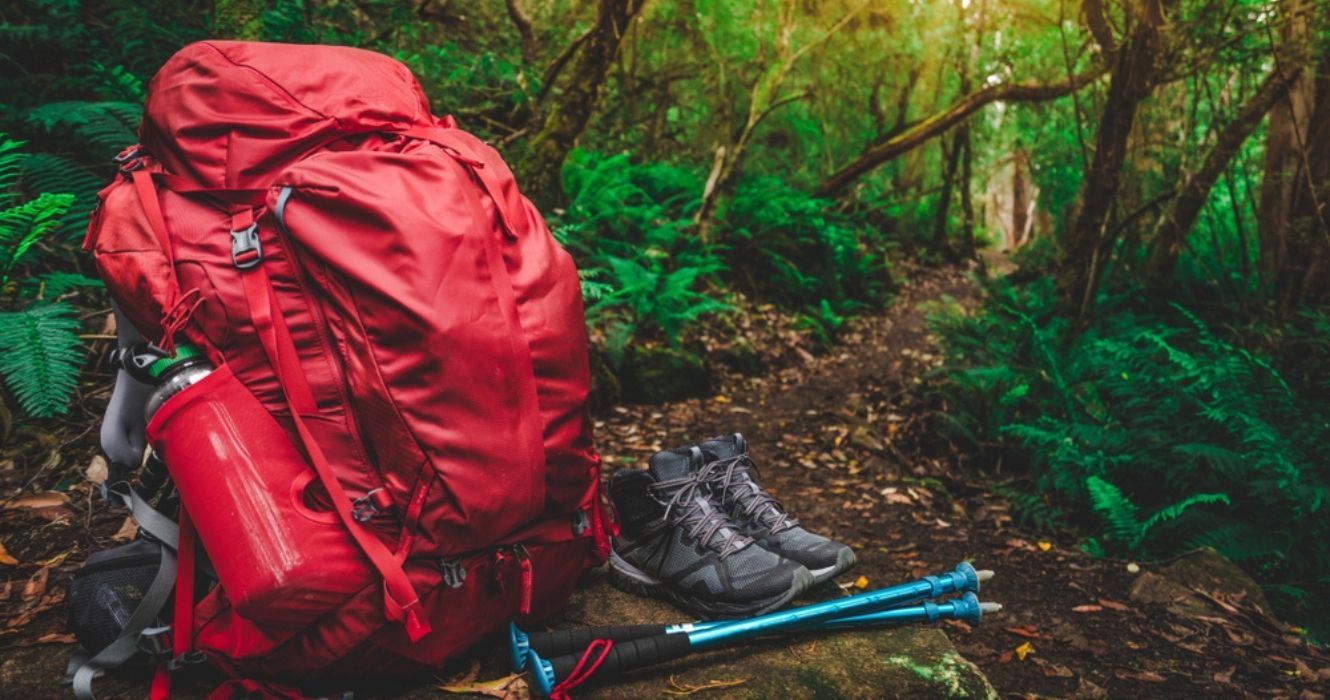
Multi-day hikes require a very different list of essentials than a typical day trip, and that’s where you should start packing your bags.
Even if a hiker is just out for a leisurely stroll, having the right gear is essential. In case something goes wrong, it can make all the difference in the world. Preparing for a day hike is vital for beginners and seasoned explorers alike. So here are the ten essential things hikers should pack for a multi-day hike.
ten Remember to wear appropriate footwear for hiking
It is recommended for the hiker to ensure that their feet are always protected by the right footwear before embarking on a hike as hiking sandals are not allowed and will be a big hindrance for the trip. Other than that, a hiker’s choice of footwear is vital for their comfort and stability, so they should ensure that before they go on a hike, they are wearing the right footwear, especially that traction and balance are needed when hiking through mud and bogs, vegetation and across rock ledges.
9 Don’t forget to bring a map and compass
In the backcountry, while cell phones and GPS devices are handy, they are not always trustworthy. It is therefore recommended that hikers consider taking a paper map and compass as a backup and making sure they know how to use them. Moreover, it is better to learn how to use these two tools to understand the path they take.
8 Bring an extra water bottle or equipment that purifies water
Drinking plenty of water is essential and bringing one when hiking is very important. In some places water may be a minor consideration throughout the planning stages, while in others it may be the most critical issue. If there is no water available, hikers can simply use a portable water filter to ensure they have drinking water. It is not possible to simply fill your water bottle with water from a nearby stream, as pathogens such as bacteria, viruses and protozoa can be present in water from a stream. distant stream even though it looks clean. Another effective way to purify water is to boil it, but this is not an option for backpackers due to the large amount of fuel needed to provide enough clean water for the trip.
7 Pack extra food and snacks
Hikers are recommended to pack high calorie snacks to keep them fueled on their hike and to bring an extra amount in case they end up being away longer than planned. They can take a sandwich, trail mix, fruit, seeds or chocolate when they get hungry.
6 Safety first! Bring a first aid and repair kit
October is a good month to review your hiking first aid kit. Throw out expired things and replace them with fresh ones. I also add some winter warm-ups. pic.twitter.com/dTdZxHjkd1
— Laureen Teskey Harper (@LaureenHarper) October 5, 2021
For hikers, it’s best to stock up on first aid supplies like painkillers and antibacterial medications. These items can be used to treat a wide range of conditions ranging from a minor sore throat to the most severe allergic reactions. In addition, they should also prepare bandages, gauze sponges or antiseptic wipes which they can use to cover wounds, absorb and control bleeding. Also, don’t forget an emergency whistle, water purification tablets and a fire starter which is essential for different types of emergencies. In terms of a repair kit, they can just buy a multi-tool where all the tools needed for a hike are already in one tool. This is essential and will come in handy in an emergency.
5 Don’t forget to bring toiletries
I’m bored and miss hiking. Tot to share my hiking essentials
1. Stove, canister and tin
2. Bag and pole
3. Dry Fit shirt and pants (extra)
4. Phone/Camera/Powerbank
5. Sandals/Shoes
6. Water bottles
7. Food/snacks
8. Toiletries and medications
9. Tent/sleeping bag
10. RaincoatYours? pic.twitter.com/67QeCiVtoJ
— Shahmoses (@shahmoses) August 14, 2021
Even if this is only a short or long hike, it is recommended that all hikers ensure they have toiletries such as toilet paper, wet wipes, sanitizer, towels and even a toothbrush and toothpaste. All of this is essential for maintaining good personal hygiene while hiking.
4 Be sure to bring a solar-powered flashlight
#zuzuwa #Lighting PORTABLE LIGHTING – Portable rechargeable three button LED flashlight for hiking, camping, high brightness and low power consumption. Lighting is important to interior and exterior design for aesthetic appeal, ambiance, ambiance… pic.twitter.com/TXjIjFPwFw
— Zuzuwa Lighting Accessories (@ZuzuwaL) September 25, 2020
In case of an emergency, it is best for hikers to ensure that the flashlights they bring for the hike are solar powered, because in case they forget to bring extra batteries, they can simply recharge their flashlights using sunlight. This is essential, especially in dark areas of the trail.
3 Prevent mosquito bites through the use of insect repellents
Using an EPA-registered insect repellent on your skin and clothing before you go outside is one of the most effective ways to protect yourself from mosquitoes. In most cases, repellents work by concealing the compounds released by the body in order to prevent mosquitoes looking for a food source. Remember to reapply these repellents frequently as their effectiveness decreases due to perspiration, wear and water exposure.
2 Bring a sleeping bag
Most hikers usually don’t bring tents as it eats up a lot of their hiking bags, so they usually bring sleeping bags instead. In fact, according to many experienced hikers, sleeping bags are warm and comfortable to use when sleeping outdoors and they will also help cushion the body a bit while they sleep.
1 Don’t forget the walking sticks
According to many hikers, trekking poles are essential, especially if you are going for long hikes in mountainous areas. When hiking, they will help ease the strain and force of gravity on the hiker’s legs. The majority of serious hikers think this is necessary gear. Trekking poles are primarily used to provide extra traction, stability, and support on slippery and uneven surfaces such as snow or mud. Additionally, trekking poles are versatile as they can be used for a variety of tasks such as animal defense and even as medical splints in an emergency.