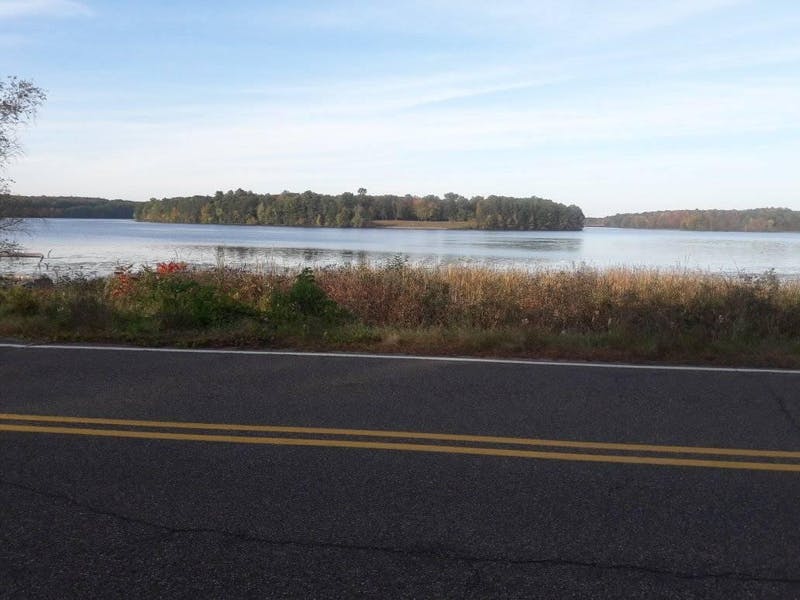
Both tick the boxes for getting you moving outdoors, a low-risk pandemic activity. But are these two forms of exercise really so different from each other? And if so, which one is best for you?
Walking is usually an exercise you do outdoors in an urban or suburban setting, or indoors in a gym on a track or treadmill. Hiking, on the other hand, is walking that is done outdoors and along natural terrain. You will usually experience elevation changes when hiking, but not necessarily when walking.
Both of these activities are low-impact cardiovascular exercises that can help you manage your blood pressure and cholesterol levels. They’re also great for your heart, said cardiologist Dr. Fahmi Farah, founder and medical director of Bentley Heart Medical Center in Fort Worth, Texas. “Walking is one of the best heart-healthy workouts for all ages, including those with heart problems and conditions,” she said. “Hiking is also heart-healthy and burns more calories in less time.” No form of exercise is better than the other, according to Farah.
“Both are great for improving heart and lung performance, and hiking and walking can help you lose weight,” said Darryl Higgins, fitness expert and founder of Athlete Desk, a company that tests and reviews products such as treadmills and bike desks.
Which exercise is best for you depends on your fitness goals and personal preference. Here are four main considerations to help you determine whether you should go for a walk or a hike.
Important note: Before starting any new exercise program, consult your doctor. Stop immediately if you feel pain.
You want to burn the most calories: go hiking
The number of calories you can burn on a hike versus a walk mainly depends on your weight, the steepness of the trail, and how much weight you are carrying on your back. Other factors include the weather, your age and gender, and the ruggedness of the terrain.

You want the cheapest option: take a walk

Hiking often requires driving to a trail, which can be several hours away and require user fees. And while you can hike in the same clothes you use for walking, it’s best to wear clothing specifically designed for trekking, such as trail shoes, hiking pants, and breathable layers. You’ll also need at least some specialized gear, like a backpack, hiking poles, and a water bottle or bladder. And if you’re backpacking, be prepared to shell out hundreds of dollars for extra gear like a tent, sleeping bag, and camp stove.
You want the safest activity: take a walk
Although hiking is not a dangerous activity in itself, it does come with risks. “The hike can be strenuous,” Higgins said. “It may not be ideal for beginners unfamiliar with rough terrain.”

Trip and fall on a rocky, root-filled path, and you could end up with a sprained ankle or a broken bone. And there are the various insects and creatures in the woods, ranging from pesky mosquitoes to potentially deadly snakes, bears or cougars. Cell service is also often spotty or non-existent on the trail, so if you run into trouble it can be hard to call for help.
Walking, on the other hand, is much safer. Of course, you can still sprain your ankle while stepping off a sidewalk. But if you do, help is nearby. If the weather turns bad? You can call a friend for a ride or hail a cab. Perhaps the biggest concern comes from walking after dark. If this is your favorite time, be sure to wear reflective clothing and be aware of your surroundings. And don’t go alone in the wee hours of the morning.
You want to de-stress: go hiking

If you are unable to hike but need a dose of calm, walking outside of town or in a local park is always better than walking in the gym. But if you can walk in the woods, do it.